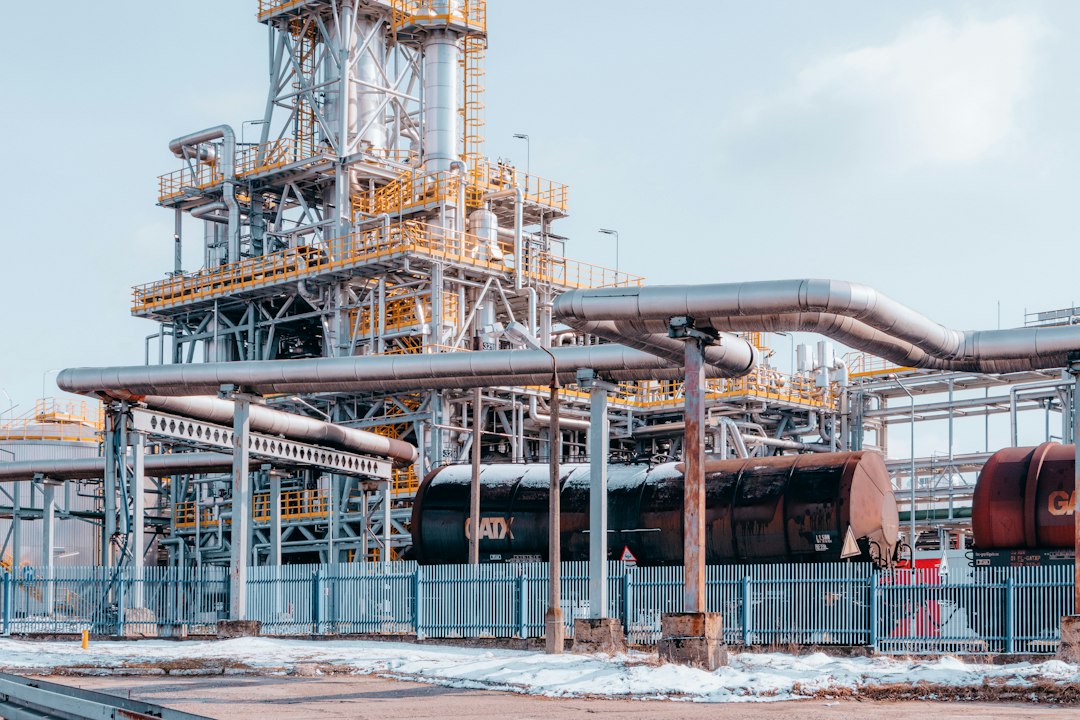
Carbon capture and utilisation (CCUS) is moving from demonstration to industrial-scale feedstock integration as synthetic-fuel producers face RED III certification deadlines and full EU ETS maritime enforcement in 2026. With regulatory costs for shipping compliance now at 100 percent implementation and biofuels certification frameworks finalised in late April, CCUS operators must align CO2 sourcing, electrolysis hydrogen supply, and downstream synthesis units to meet renewable-energy accounting and lifecycle-emissions thresholds for aviation and maritime e-fuels.
100%
EU ETS shipping compliance implementation by 2026
Late April 2026
RED III certification framework finalised (RSB)
2026
Focus year for CCUS in aviation and shipping fuels
Bio/e-methanol
Compliance pathway for EU ETS maritime operators
- RED III certification framework closes for SAF and biofuel operators
The Roundtable on Sustainable Biomaterials (RSB) finalised RED III compliance requirements for biofuels and sustainable aviation fuel operators in late April 2026. Process engineers must now demonstrate renewable-energy accounting for CO2 feedstocks, electrolytic hydrogen, and Fischer–Tropsch or methanol-synthesis units to secure certification under the revised framework. - EU ETS maritime compliance reaches 100 percent enforcement
The Methanol Institute confirms that EU ETS regulatory costs for shipping have reached full implementation in 2026, driving operators toward bio-methanol and e-methanol as compliance pathways. CCUS-derived CO2 feedstock must meet strict lifecycle accounting to qualify for renewable-fuel-of-non-biological-origin (RFNBO) status under RED III. - CCUS process integration for aviation and shipping synthetic fuels
Industry sources report 2026 as a pivotal year for CCUS deployment targeting synthetic fuels for aviation and shipping, alongside chemical production. Direct-air-capture (DAC) and point-source CO2 must integrate with Power-to-Liquid (PtL) electrolysis and synthesis reactors, with plant designers balancing uptime, feedstock purity, and EU taxonomy alignment. - Process-engineering challenges in CO2 purity and electrolysis coupling
Scaling CCUS for e-fuels requires high-purity CO2 streams (>99.5 percent for Fischer–Tropsch; >99 percent for methanol synthesis) and synchronised electrolyser operation to match renewable-power availability. Operators face capital-cost pressures and must demonstrate sub-3.4 kg CO₂e/kg H₂ lifecycle emissions to meet RFNBO thresholds. - White-hydrogen discovery highlights diversification in clean-energy feedstocks
Researchers announced the discovery of natural (white) hydrogen in billion-year-old Canadian Shield rock formations in mid-May 2026, signalling potential future feedstock diversification. While electrolytic green hydrogen remains the baseline for CCUS-PtL compliance, geological hydrogen could offer cost advantages for process-heat integration or co-feeding in hybrid synthesis routes.
Bottom Line
As RED III certification closes and EU ETS shipping enforcement reaches 100 percent, CCUS operators must engineer CO2 feedstock integration, electrolysis coupling, and downstream synthesis at plant scale to meet 2026 compliance calendars. Process engineers face tight lifecycle-emissions thresholds, high-purity CO2 requirements, and synchronisation challenges between renewable power, electrolysers, and Fischer–Tropsch or methanol reactors—making 2026 a critical year for demonstrating industrial viability in aviation and maritime e-fuel pathways.
Sources
- Liquid e-fuels for a sustainable future: A comprehensive review of production, regulation, and technological innovation
- Power-to-Liquids – Green Car Congress
- May 2026 Short-Term Energy Outlook
Featured image via Unsplash.