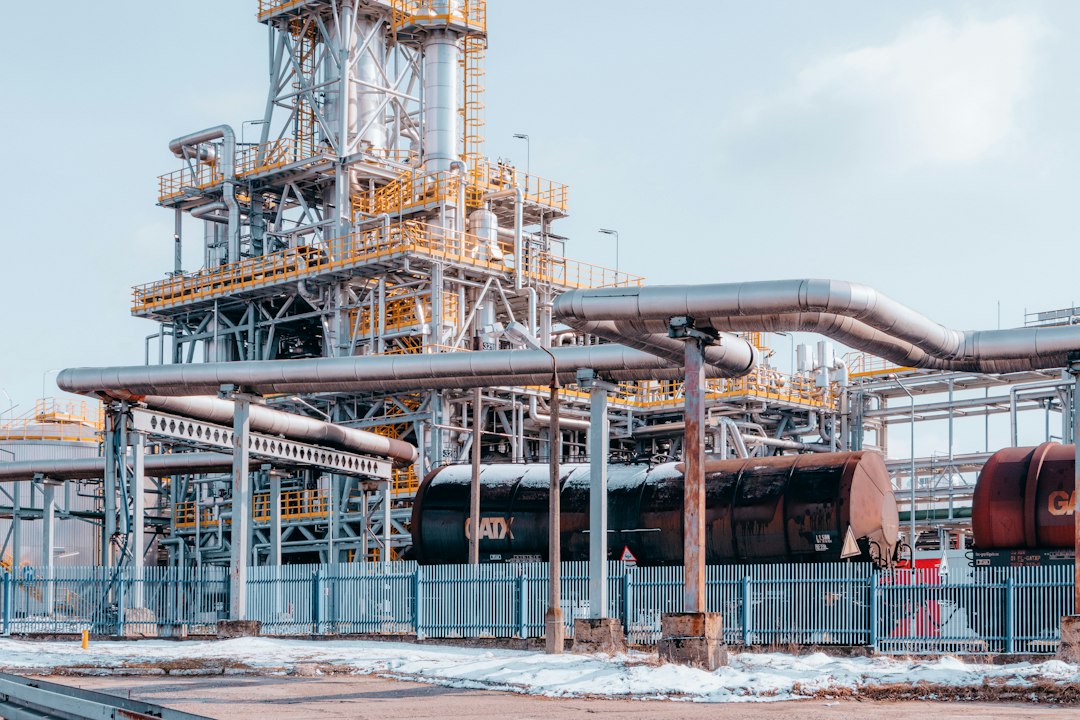
The intersection of carbon capture and synthetic-fuel regulation is no longer theoretical. As ReFuelEU Aviation’s 2030 blending mandate approaches and RED III compliance calendars lock in, power-to-liquid developers are competing for secure, auditable CO₂ feedstock—transforming carbon capture from a climate hedge into a revenue-critical industrial input with its own supply-chain bottlenecks and contract premiums.
USD 321.05bn
Forecast e-fuel market size by 2033
2026
Carbon-neutral e-fuel ultimatum date, Europe
2030
ReFuelEU Aviation initial blending mandate
2035
EU ICE sales deadline driving e-fuel investment
- Regulatory deadlines compress CCU deployment timelines
ReFuelEU Aviation’s 2030 blending targets and the looming 2035 ICE sales ban create parallel demand curves for captured CO₂. E-fuel producers now face a 2026 carbon-neutrality ultimatum in Europe, forcing early-stage projects to lock in feedstock agreements years before first production. RED III renewable-fuel-of-non-biological-origin (RFNBO) criteria require life-cycle traceability, pushing CCU suppliers to adopt granular certification and metering infrastructure. - Point-source carbon competes with direct-air capture for pipeline capacity
Industrial emitters offering concentrated CO₂ streams hold cost advantages over direct-air capture (DAC), but RED III sustainability thresholds favour low-carbon-intensity sources. E-fuel developers are negotiating multi-year offtake contracts with cement and steel plants while DAC technology scales. Pipeline build-out—particularly in Northern Europe—lags feedstock availability, creating regional price disparities and favouring co-located electrolysis and capture facilities. - Compliance credits reshape CCU revenue models
Under RED III, non-biogenic CO₂ used in certified RFNBOs generates multiplier credits for fuel suppliers. This shifts carbon-capture economics: instead of relying solely on Article 6 carbon credits or voluntary markets, CCU operators can monetise through long-term e-fuel supply agreements. Marketing and compliance directors are modelling 2030–2032 feedstock portfolios to balance spot CO₂ availability against contracted volumes, with price floors increasingly tied to CBAM carbon border adjustments. - Process engineering pivots toward modular, distributed capture
Centralised mega-plants face permitting and infrastructure delays; e-fuel developers are instead integrating smaller, modular CO₂ capture units at electrolysis sites. Amine scrubbing, membrane separation, and oxy-combustion are all being field-tested at 10–50 kt/year scales. Modular designs allow faster deployment and risk diversification, critical when ReFuelEU sub-targets ratchet upward every two years post-2030. - Market forecasts signal feedstock scarcity premiums by decade’s end
The e-fuel market is projected to reach USD 321.05 billion by 2033, with aviation SAF and maritime e-methanol driving the largest volumetric demand. Yet current CCU capacity falls orders of magnitude short. Analysts expect CO₂ feedstock premiums to emerge by 2028–2029 as first-wave PtL plants ramp, especially in regions without pipeline interconnects. Early movers securing capture partnerships now gain a structural cost advantage over competitors reliant on merchant CO₂ markets.
Bottom Line
Carbon capture is transitioning from a compliance cost to a strategic feedstock asset as ReFuelEU and RED III timelines accelerate. E-fuel producers able to secure long-term, traceable CO₂ supply—whether through industrial point sources or co-located DAC—will hold critical cost and regulatory advantages in the 2030–2035 compliance window. For compliance and marketing directors, the message is clear: feedstock procurement belongs on the critical path alongside electrolyser capacity and renewable-power PPAs.
Sources
- E-Fuel Market to Reach USD 321.05 Billion by 2033
- E-fuels given 2026 carbon-neutral ultimatum in Europe
- Liquid e-fuels for a sustainable future: A comprehensive review
Featured image via Unsplash.