The sustainable aviation fuel sector is experiencing a transformative moment as green hydrogen production capacity scales up to support next-generation e-SAF facilities. Recent project financing announcements and shifting fuel economics are accelerating the deployment of Power-to-Liquid technologies that convert renewable electricity and captured carbon into drop-in jet fuel. With conventional oil markets experiencing renewed volatility, the production economics for electrolysis-based synthetic fuels are becoming increasingly competitive, though infrastructure gaps remain a critical challenge for meeting regulatory mandates.
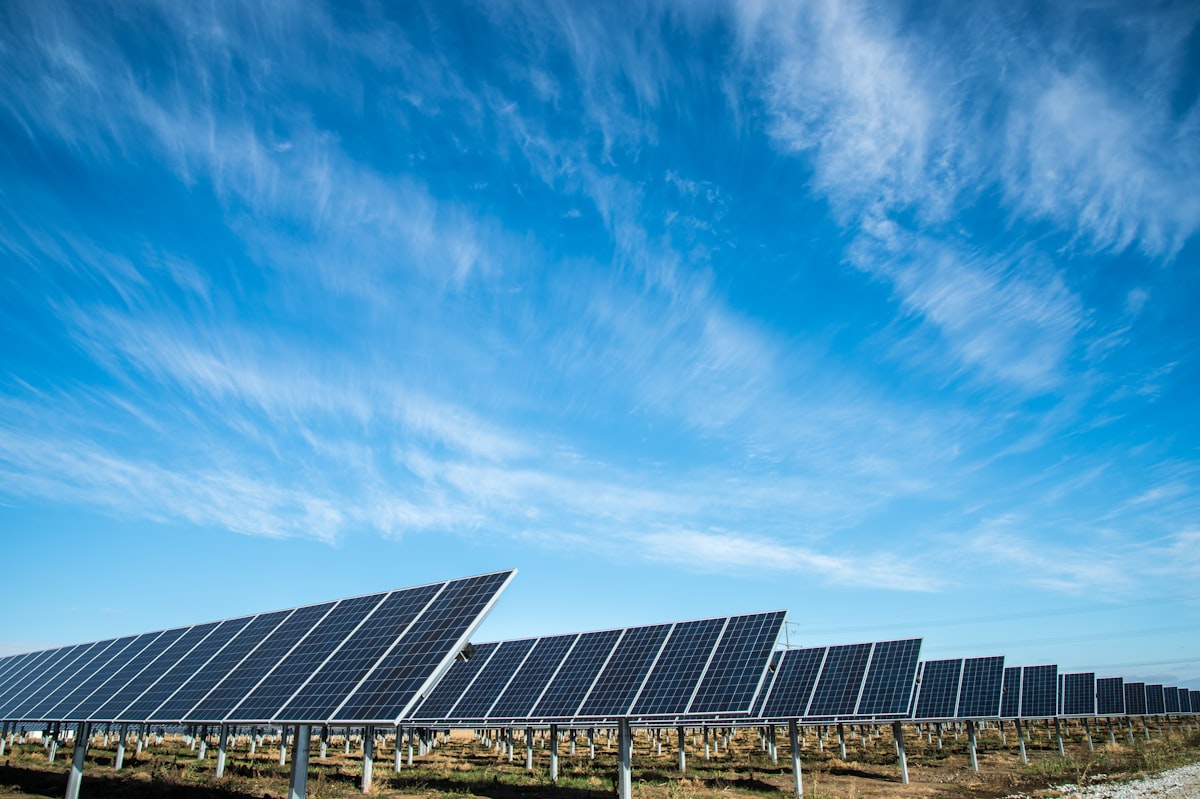
Green Sky Capital’s successful financing of Egypt’s planned SAF facility represents a significant milestone for the North African renewable hydrogen corridor. The project will leverage the region’s abundant solar resources to power water electrolysis systems, producing green hydrogen that will be combined with captured CO2 to synthesize sustainable jet fuel through Fischer-Tropsch or alcohol-to-jet pathways. This facility aims to diversify regional airline fuel supply while capitalizing on Egypt’s strategic position between European and Middle Eastern aviation markets. The scale of electrolyzer deployment required for such facilities—typically hundreds of megawatts—demonstrates growing confidence in PEM and alkaline electrolysis technologies reaching commercial maturity.
The recent surge in conventional petroleum prices has fundamentally altered the competitive landscape for e-SAF producers. Synthetic fuel facilities that previously struggled with cost premiums over fossil kerosene are now finding their production economics increasingly viable as the price gap narrows. This development is particularly significant for electrolysis-dependent pathways, where electricity costs constitute 40-60% of total production expenses. However, producers caution that sustained competitiveness requires continued renewable electricity price declines and carbon pricing mechanisms that reflect the climate benefits of green hydrogen-derived fuels versus conventional alternatives.
Despite positive technological momentum, SAS Group’s warning about European sustainable fuel supply shortfalls highlights critical infrastructure bottlenecks. The hydrogen production capacity needed to meet 2030 SAF mandates significantly exceeds current electrolyzer manufacturing and deployment rates. Gevo’s recent patent award for alcohol-to-jet catalyst systems demonstrates ongoing technical innovation in conversion pathways, yet the primary constraint remains upstream hydrogen generation. Industry analysts estimate that meeting European aviation’s 2030 targets would require electrolyzer capacity equivalent to 15-20 gigawatts dedicated solely to SAF production—a scale that demands immediate acceleration of green hydrogen infrastructure investments.
The convergence of improved fuel economics, major project financing, and technological advances in both electrolysis and conversion catalysts is creating unprecedented momentum for green hydrogen-based sustainable aviation fuel. However, the gap between regulatory ambitions and infrastructure reality remains stark. Addressing this challenge will require coordinated investments across the entire value chain—from renewable electricity generation through electrolyzer deployment to fuel synthesis facilities—with particular urgency given the multi-year lead times for gigawatt-scale hydrogen production infrastructure.