
DP World London Christening Signals E-Methanol Compliance Inflection Point
The christening of DP World’s first methanol dual-fuel feeder vessel in Aarhus marks a tangible fleet response to tightening FuelEU Maritime and RED III RFNBO obligations.
Synthetic Fuels News · Weekly Intelligence · E-Fuels · SAF · PtL
The christening of DP World’s first methanol dual-fuel feeder vessel in Aarhus marks a tangible fleet response to tightening FuelEU Maritime and RED III RFNBO obligations.
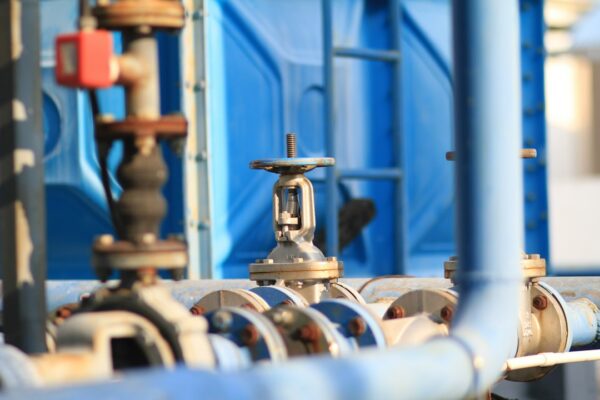
Metacon AB and PERIC have introduced pressurised alkaline electrolysis stacks to the European market, targeting lower costs and improved performance for industrial-scale green hydrogen production.
An industry coalition has warned the European Commission that crediting electrolytic hydrogen used in HEFA/HVO hydrotreatment toward the e-SAF sub-mandate would fundamentally undermine synthetic fuel targets under ReFuelEU Aviation.
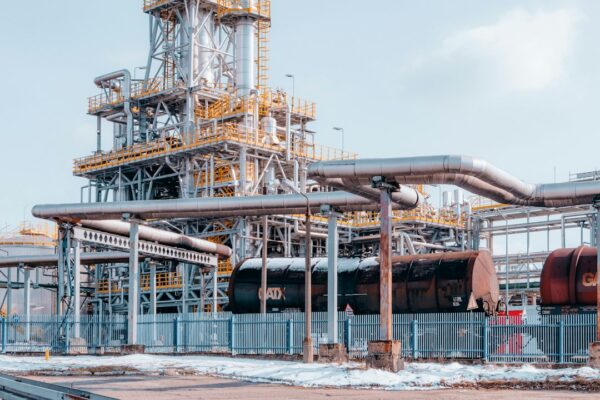
The HY4Link project is engineering a 230 km cross-border hydrogen backbone connecting Belgium, Luxembourg, France and Germany to accelerate industrial decarbonisation across the Greater Region.

Horse Powertrain’s D20 range-extender engine burns 100% methanol at 47% brake thermal efficiency, offering a credible e-methanol end-use pathway for road electrification without full battery dependency.

A P2H2 and Repsol demonstration using anion-exchange-membrane electrolysis has exceeded projected system lifetimes of 50,000 hours, a result that directly compresses the levelised cost of green hydrogen feeding Power-to-Liquid e-fuel plants.

Geochemists have measured sustained geological hydrogen emissions from billion-year-old Precambrian rock near Timmins, Ontario, with a potential discharge rate exceeding 140 tonnes per year — a result that reshapes the engineering calculus for zero-electrolysis hydrogen supply.
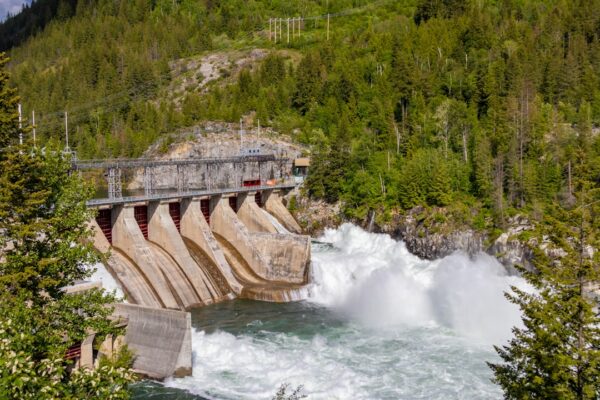
Geochemists measuring sustained hydrogen flows from billion-year-old Ontario mine rock have quantified a potential natural hydrogen source discharging over 140 tonnes per year — no electrolysis required.
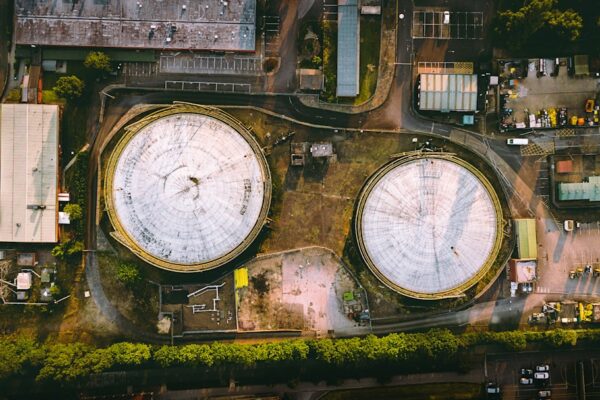
UMeWorld’s Project Verdant has crossed a critical process-engineering threshold, advancing into Front-End Engineering Design contractor selection for its sustainable aviation fuel facility in Malaysia.
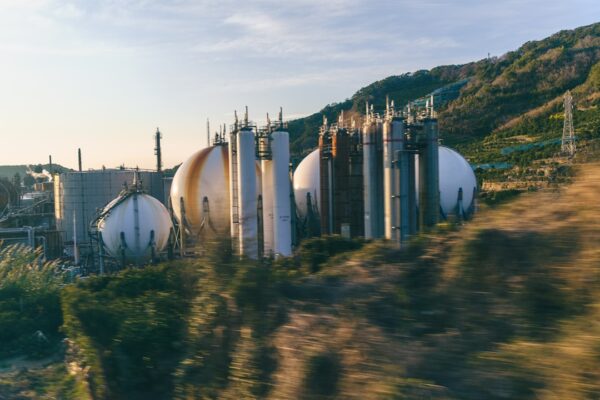
European sustainable aviation fuel prices surged 31% in Q2 2026 to $2,830 per tonne, driven by Strait of Hormuz disruption and the removal of RED III double-counting credits — a stress test that reveals how thinly engineered today’s SAF supply chain really is.