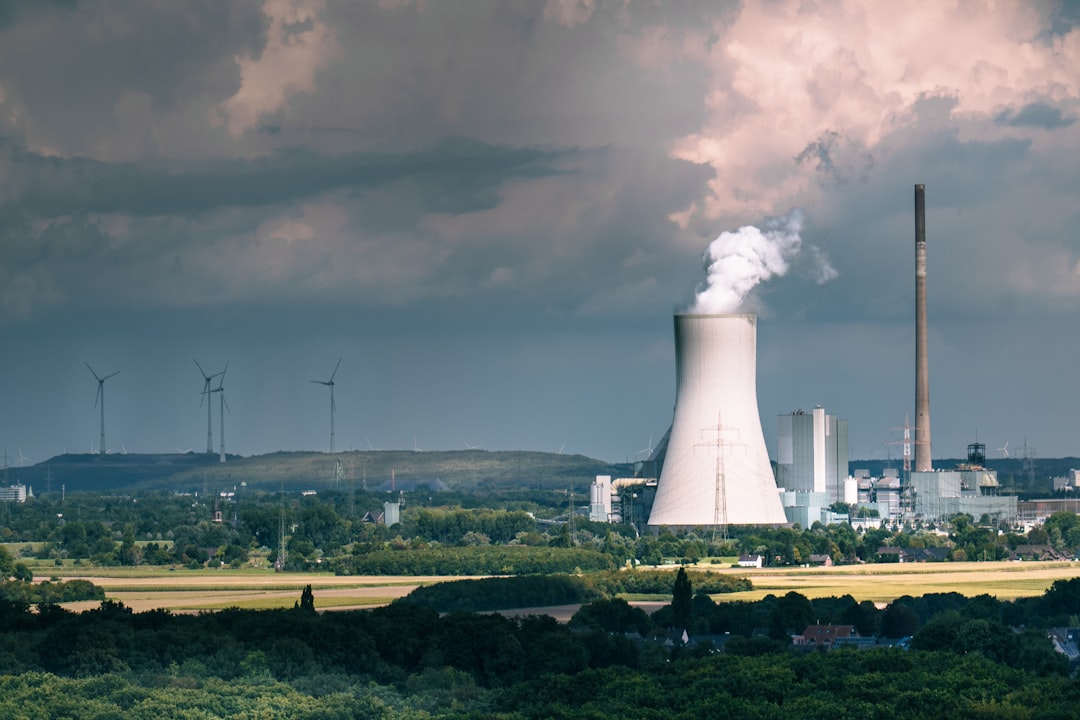
Green hydrogen production is moving from pilot demonstrations to industrial scale as electrolyser manufacturers ramp capacity and project developers secure offtake agreements. While financing headwinds and permitting delays continue to slow the buildout, recent announcements in Europe and North America underscore progress in both alkaline and PEM electrolysis technology, alongside early adoption of AI-based process control and digital-twin monitoring to optimise uptime and feedwater purity in megawatt-scale installations.
2034
Market forecast horizon
11 July 2024
Industry webinar date
150 ML/yr
Example SAF capacity benchmark
2030
Typical project target year
- Electrolyser manufacturing capacity expands to meet demand
Leading equipment suppliers are scaling alkaline and PEM stack production lines to multi-gigawatt annual capacity. Module standardisation and factory automation are driving down per-kilogramme costs, while supply-chain localisation addresses tariff and logistics risks in key markets. - Project developers secure long-term offtake to underpin FID
Bankable hydrogen purchase agreements with industrial consumers—refineries, ammonia plants, steelmakers—are proving essential for final investment decisions. Offtakers increasingly require guarantees of origin and emissions-intensity certification under emerging low-carbon fuel standards. - Permitting and grid connection remain critical-path items
Even where electrolyser orders are in hand, grid-capacity allocation and environmental-impact approvals can add twelve to eighteen months. Developers are prioritising sites with existing industrial zoning and proximity to renewable generation or transmission nodes. - AI-based process control optimises electrolyser performance
Digital twins and predictive maintenance algorithms are being deployed to monitor stack temperature, membrane degradation, and feedwater chemistry in real time. Early data from operational plants suggest single-digit percentage gains in system efficiency and extended overhaul intervals. - Policy clarity drives investment in North America and EU
Tax credits under the U.S. Inflation Reduction Act and the EU’s renewable-hydrogen quota in ReFuelEU Aviation are catalysing project pipelines. Developers report that subsidy certainty is as important as technology maturity when pitching to equity and debt providers.
Bottom Line
Green hydrogen is transitioning from niche demonstration to industrial deployment, underpinned by larger electrolyser plants, clearer policy incentives, and early use of digital tools to maximise uptime. Financing remains the bottleneck, but credible offtake agreements and streamlined permitting are unlocking final investment decisions across Europe and North America, setting the stage for gigawatt-scale capacity additions by 2030.
Sources
- Sustainable Aviation Fuel Market Size & Future Trends [2034]
- SUSTAINABLE AVIATION FUELS THURSDAY 11 JULY 2024
- U.S. production capacity for sustainable aviation fuel to grow
Featured image via Unsplash.