- Plant specification: scale, siting and feedstock logic
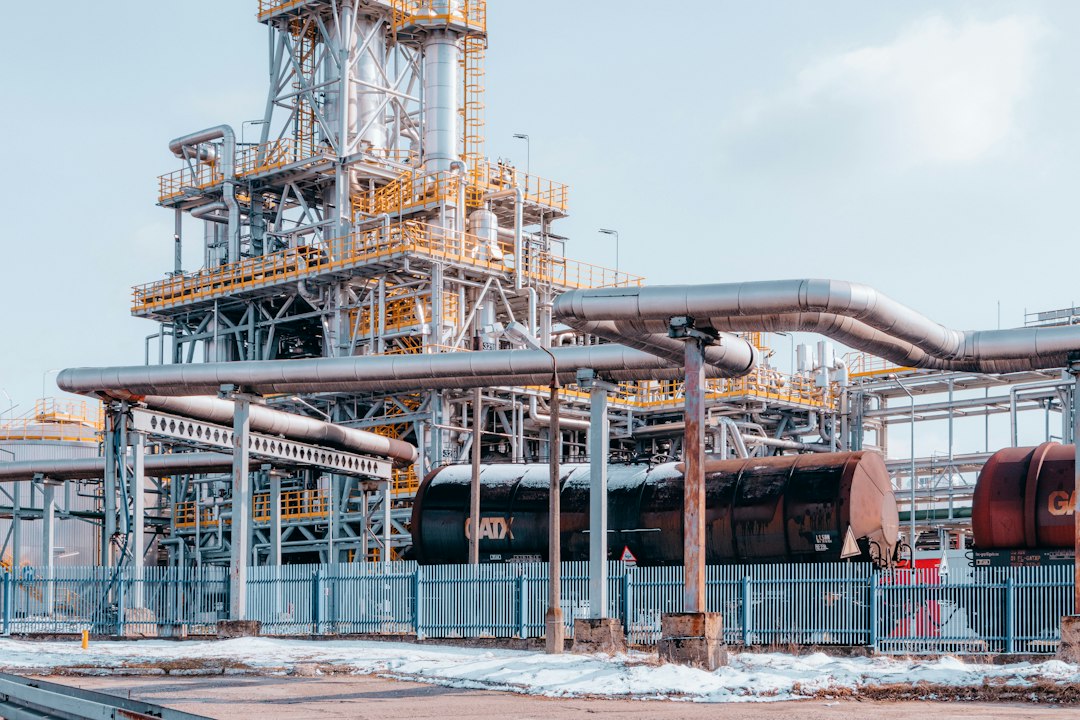
The Kandla facility is engineered at 150 t/day, co-located at Deendayal Port to eliminate last-mile logistics for bunkering. Port-side siting allows direct transfer to methanol-fuelled vessels calling on the India–Europe corridor, reducing handling losses and certificating complexity versus inland production. - RFNBO compliance pathway under RED III
For e-methanol to qualify as a Renewable Fuel of Non-Biological Origin under RED III, the electrolysis-derived hydrogen feedstock must demonstrably meet additionality, temporal correlation and geographic criteria. Operators sourcing from Kandla will need a documented renewable electricity supply chain that satisfies both Indian regulatory frameworks and EU import recognition requirements — a compliance burden that is still being resolved at the bilateral level. - FuelEU Maritime and the cost-of-compliance calculus
FuelEU Maritime imposes a stepwise greenhouse-gas intensity reduction on ships calling at EU ports: 2% from 2025, scaling to 80% by 2050. E-methanol produced via green electrolysis can achieve lifecycle GHG reductions exceeding 65–70% versus HFO, making it one of the fewer drop-in-compatible fuels capable of meeting mid-decade targets on existing methanol-ready vessels. - Energy-efficiency caveat for maritime versus road applications
The standard objection to electrolytic e-fuels — that the well-to-wheel pathway delivers only around 16% efficiency versus 72% for battery-electric drivetrains, per ICCT analysis — carries different weight in deep-sea shipping, where battery energy density is physically inadequate for transoceanic range. For Asia–Europe routes, e-methanol is not competing with batteries; it is competing with HFO and LNG, where its carbon credentials are decisive. - Strategic significance: port-based production as a compliance asset
Integrating production at a major transhipment hub allows fuel certification to be tied to a single, auditable point of origin — a structural advantage as the EU’s Carbon Border Adjustment Mechanism and FuelEU Maritime’s pooling and banking provisions reward supply-chain transparency. Shipowners building 2027–2030 fuel procurement strategies should note that port-based e-methanol capacity in non-EU jurisdictions can qualify for EU mandate compliance only if RFNBO import recognition frameworks are in place before first delivery.
Sources
Featured image via Unsplash.
This is not an official site. It is published by a private company and does not emanate from any public authority, institutional programme, government department or research organisation. It represents none of them and speaks for none of them in any capacity.
Nature of the content. Articles are documentary summaries drawn from cited public sources. They may contain inaccuracies, omissions or information that has since become outdated. No financial, technical, legal or investment advice is provided.
Always verify against primary sources. For any information concerning a public programme, a regulation or an institutional project, only the publications of the competent authority are authoritative.
© 2026 BESS Energie SRL · BCE 0698.949.732 · info@bess.be