- Network topology and cross-border engineering scope
HY4Link is designed as an integrated cross-border hydrogen infrastructure project spanning Belgium, Luxembourg, France and Germany, with a total corridor length of approximately 230 km. The engineering challenge is not only pipeline construction but harmonising pressure specifications, metering protocols and grid interconnection standards across four distinct national regulatory frameworks. - Feedstock and production integration
The project’s decarbonisation logic depends on connecting electrolytic green hydrogen production assets — requiring RFNBO certification under RED III — to industrial offtakers across the Greater Region. Pipeline build-out must therefore be synchronised with electrolyser commissioning timelines to avoid stranded infrastructure. - RED III compliance pressure as a pipeline demand driver
Industrial operators in the four Member States face binding RED III RFNBO sub-targets: 42% of industrial hydrogen consumption must be RFNBO-sourced by 2030, rising to 60% by 2035. Physical pipeline access, not just certificate trading, is increasingly seen as a compliance prerequisite for energy-intensive sites that cannot decarbonise via electrification alone. - ReFuelEU enforcement signals regulatory urgency
The European Commission launched infringement proceedings in June 2026 against 13 Member States for failing to communicate ReFuelEU Aviation penalty regimes — a signal that Brussels is prepared to act on implementation gaps. Compliance and legal directors in the Greater Region should treat pipeline access timelines as material to their 2030 risk registers, not merely aspirational. - Infrastructure lead times versus compliance deadlines
Cross-border hydrogen pipelines face permitting, right-of-way and interoperability hurdles that routinely extend build timelines to five to seven years. For HY4Link, this means final investment decisions and permitting milestones must be secured well ahead of 2028 if industrial offtakers are to rely on pipeline-delivered RFNBO hydrogen for 2030 compliance cycles.
Sources
- HY4Link: A hydrogen network to decarbonize the Greater Region | energynews.pro
- HY4Link – integrated cross-border hydrogen infrastructure project to accelerate decarbonisation in Belgium, Luxembourg, France and Germany
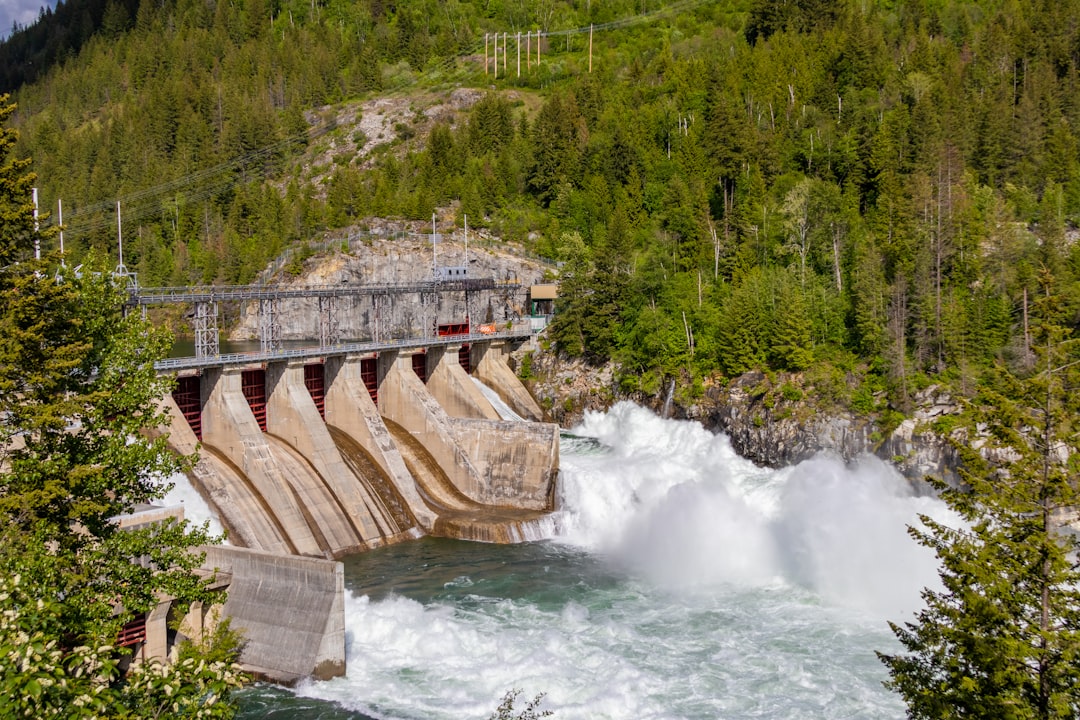
Featured image via Unsplash.
This is not an official site. It is published by a private company and does not emanate from any public authority, institutional programme, government department or research organisation. It represents none of them and speaks for none of them in any capacity.
Nature of the content. Articles are documentary summaries drawn from cited public sources. They may contain inaccuracies, omissions or information that has since become outdated. No financial, technical, legal or investment advice is provided.
Always verify against primary sources. For any information concerning a public programme, a regulation or an institutional project, only the publications of the competent authority are authoritative.
© 2026 BESS Energie SRL · BCE 0698.949.732 · info@bess.be