With the 2035 effective ban on new ICE-only vehicles hardening compliance calendars across Europe, Horse Powertrain’s D20 Methanol REEV — unveiled 14 July 2026 — hands OEM engineers and regulatory teams a single architecture that threads the needle between electrification mandates and the RED III push for renewable liquid fuels.
105 kW
D20 engine power output
47%
Fuel-to-energy efficiency ratio
2.0 L
Turbocharged engine displacement
100%
Methanol fuel compatibility (neat methanol)
- Architecture built around regulatory survival
The D20 is a 2-litre turbocharged engine designed to run on 100% methanol, classifying the vehicle as an electrified powertrain with a liquid-fuel range extender — a configuration that sits outside the blunt scope of the 2035 ICE ban as currently framed, giving OEMs a compliance buffer while infrastructure scales. - 47% fuel-to-energy ratio changes the carbon-intensity maths
At 47% thermal efficiency, the D20 converts a significantly higher share of methanol’s energy content into useful work than conventional gasoline engines, directly reducing the well-to-wheel CO₂ intensity figure that feeds into RED III renewable energy accounting and potential CBAM border-adjustment calculations for exported vehicles. - First mass-market axial flux motor integration
Horse pairs the D20 with what it describes as the first mass-market axial flux electric motor in an REEV platform, a packaging choice that improves power density and reduces drivetrain weight — process engineering decisions that affect both manufacturing cost curves and the energy-balance models regulators use to certify renewable-fuel credits. - Methanol feedstock flexibility is the RED III hedge
Because the D20 accepts neat methanol, OEMs can credential the same physical powertrain against green methanol (electrolytic hydrogen plus captured CO₂), bio-methanol, or future e-methanol supply chains — each carrying different RED III renewable-fuel multipliers and allowing compliance directors to swap feedstock certificates without retooling the vehicle. - Mass-market positioning accelerates compliance at scale
Horse’s explicit ‘mass-market’ framing signals a bill-of-materials and production-volume target that compliance and procurement directors need: high-volume type-approval filings, standardised OBD emissions calibrations, and supply-chain methanol-quality specs that map directly onto the renewable-fuel documentation chains required under RED III and ReFuelEU adjacent frameworks.
Bottom Line
The Horse D20 Methanol REEV is not merely a powertrain announcement — it is a compliance architecture. For OEM regulatory and marketing directors mapping 2030–2032 product portfolios against the 2035 ICE deadline and RED III renewable-content obligations, the D20’s 47% efficiency, neat-methanol compatibility, and mass-market production intent provide a concrete technical basis for type-approval strategy, renewable-fuel certificate procurement, and CBAM carbon-intensity documentation — provided green or e-methanol supply chains are contracted in parallel.
Sources
- Annual Conference 2026 – Belgian Hydrogen Council
- Your EU – Your Projects in Belgium: accelerating hydrogen
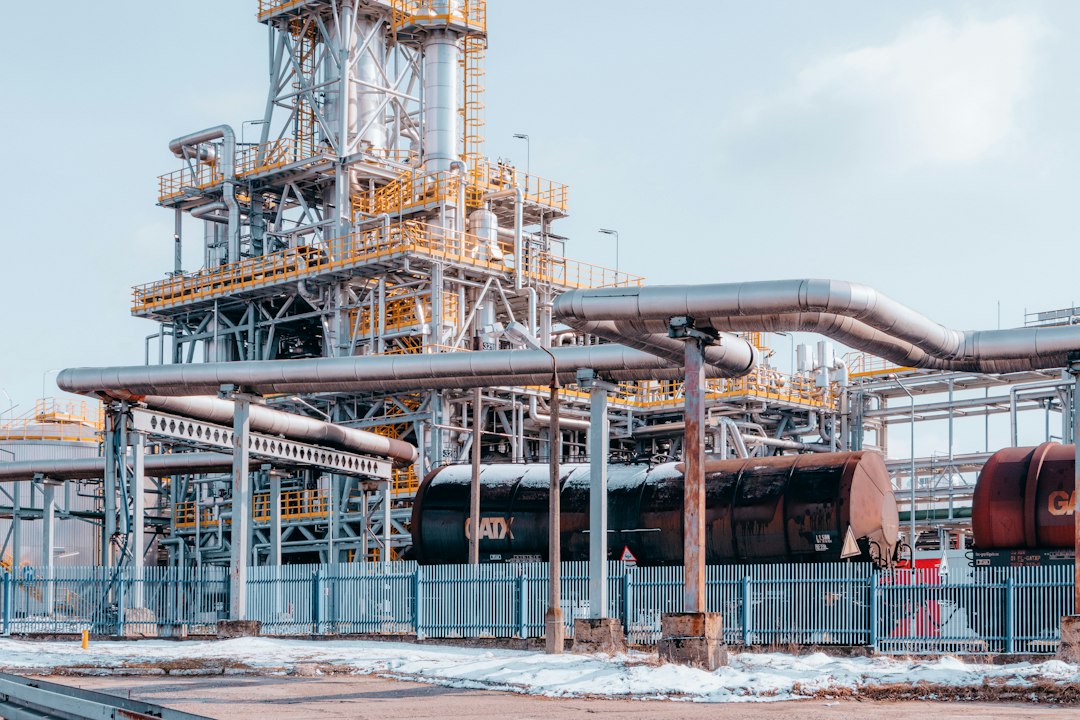
Featured image via Unsplash.
⚙️ AI Transparency · EU Regulation 2024/1689 (AI Act) · art. 50
This article was produced with the assistance of an artificial intelligence system (Claude, Anthropic). This notice applies to all editorial content on this site, including automatically published content. Informational only — verify official sources before any decision.